
All services are online from the convenience of your home or office, using Q-Global by Pearson in a secure online connection.

Dyslexia is an unexpected reading difficulty for a person’s age intelligence, and academic level (Shaywitz, 2003). It can cause academic, employment, and emotional difficulties for otherwise bright and creative individuals. Dyslexia can be traumatic for a child or an adult. Though reading is difficult for an individual with dyslexia, the right instruction and intervention can open the window of reading. Many successful individuals have overcome this disability, including Stephen Spielberg, F. Scott Fitzgerald, and Charles Schwab (International Dyslexia Association, 2019). “Dyslexia is a neurological condition caused by a different wiring of the brain. There is no cure for dyslexia and individuals with this condition must learn coping strategies. Research indicates that dyslexia has no relationship to intelligence “(International Dyslexia Association, 2019, web page—at a glance).
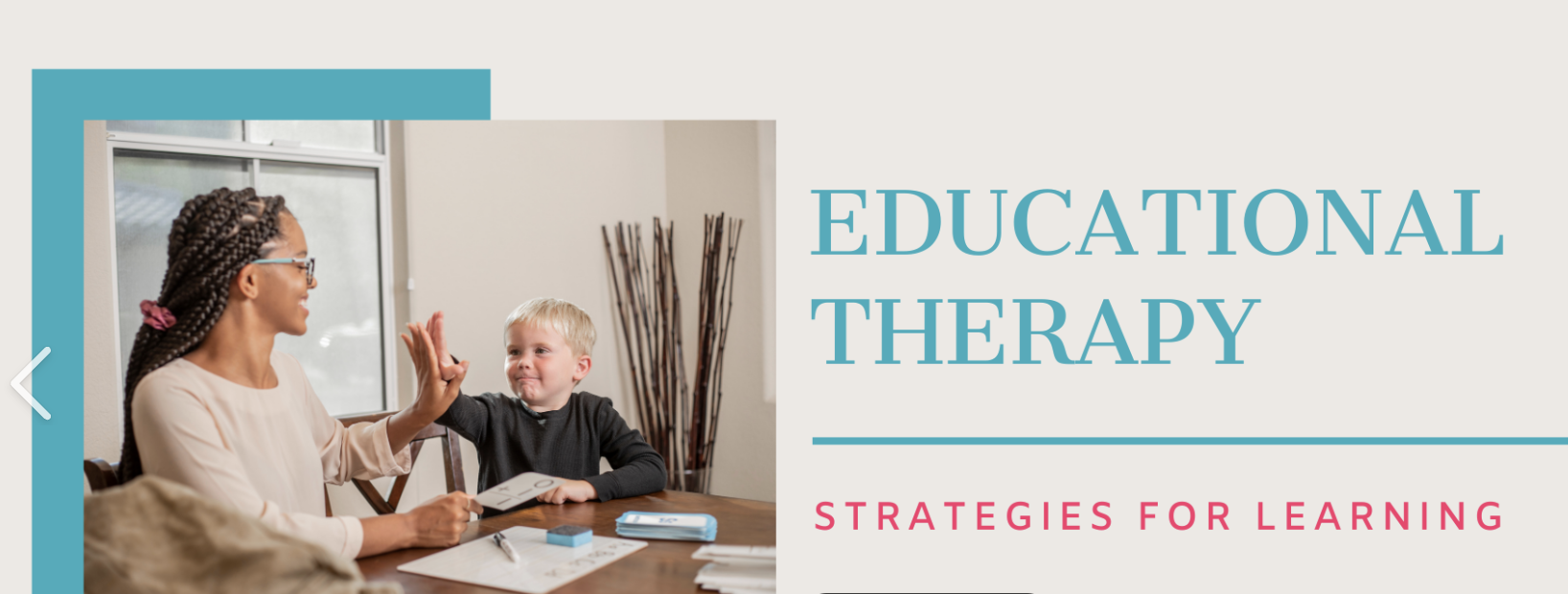
Educational Therapy
Are you or your child needing academic assistance beyond temporary academic tutoring? Educational Therapy is a research proven intervention that uses the Four-Fold Growth Model (physical, mental, social, and spirtual) to aid students with disabilities, or those who are working below their expected level, to reach their full potential. Using strategies and techniques that challenge the student cognitively, socially, physically, and spiritually, this program has been successful in the lives of thousand of students worldwide.
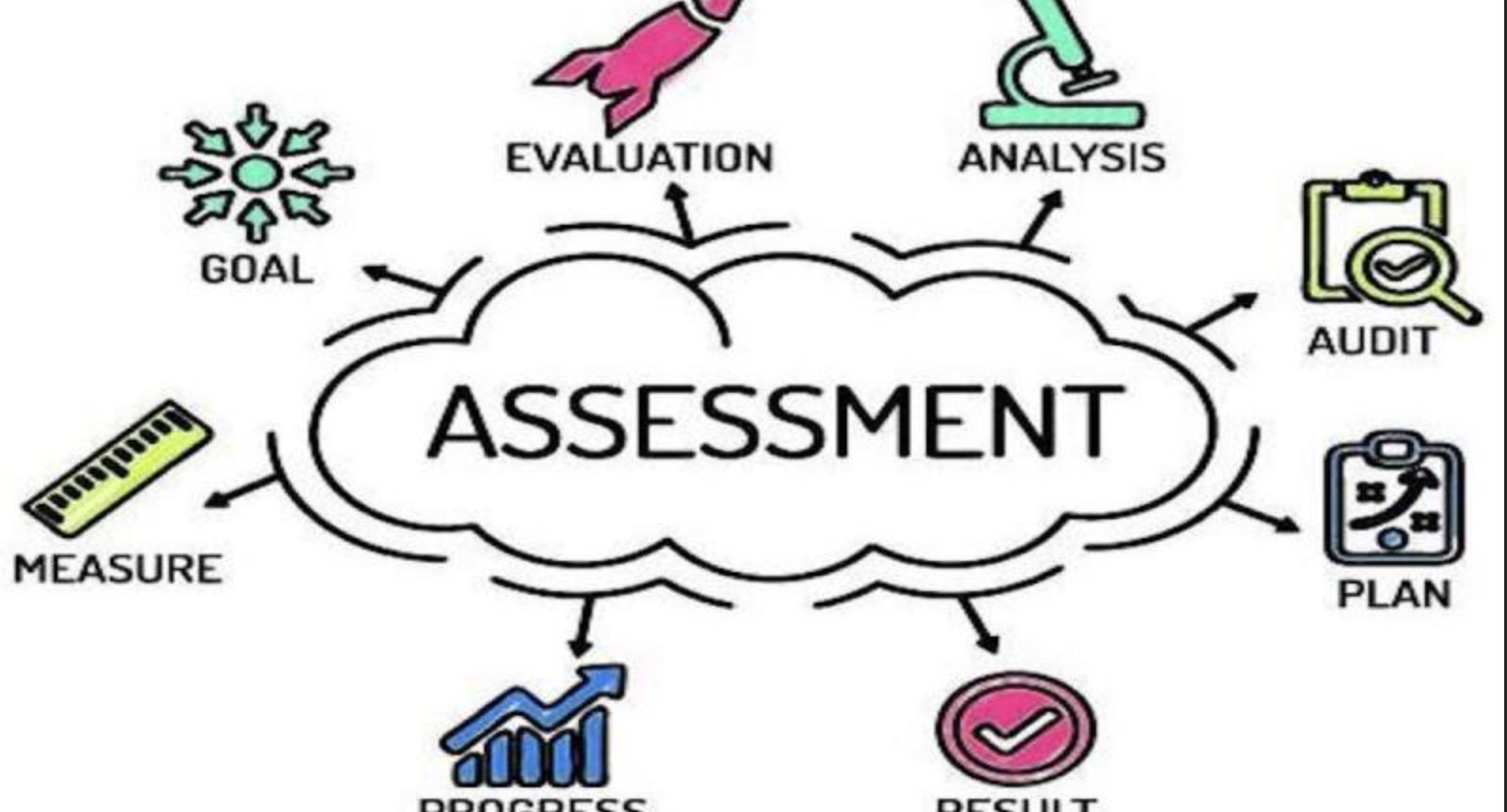
Diagnostic Assessment
Comprehensive Educational Diagnostic Assessment
Diagnostic assessment is an important first step in meeting educational challenges. CPS Educational Consulting does diagnostic assessment using WISC V for cognitive testing and KTEA 3 for academic achievement testing. We also offer dyslexia screening (Shaywitz), and dyslexia index (KTEA 3). We also offer other tests as needed. All tests are administered through Q-Global (Pearson), an online adaptable format. A comprehensive report and consultation are part of the testing process.
What is the KTEA 3, and why would your child need it?
The KTEA-3, or Kaufman Test of Educational Achievement, Third Edition, is a standardized assessment designed to measure a child's academic abilities in various areas such as reading, mathematics, written language, and oral language. It is commonly used for children aged 4 through 25 and provides educators and psychologists with valuable insights into a child's academic strengths and weaknesses.
Your child benefits from taking the KTEA-3 academic assessment for several reasons:
Educational Assessment: It helps identify specific learning needs and can guide educators in creating tailored instructional strategies.
Identifying Learning Disabilities: The KTEA-3 can assist in diagnosing learning disabilities, helping to determine if a child requires special education services.
Progress Monitoring: For children receiving educational interventions, the KTEA-3 can track their progress over time and evaluate the effectiveness of those interventions.
Research Purposes: Some studies may require standardized achievement testing, and the KTEA-3 could be a suitable instrument.
Transition Planning: As children age, understanding their academic capabilities can assist in transition planning for post-secondary education or vocational training.
Overall, the KTEA-3 is a useful tool for understanding a child's academic performance and supporting their educational journey effectively.
What is the WISC V and why would your child need it?
The WISC-V, or Wechsler Intelligence Scale for Children, Fifth Edition, is a widely used standardized test designed to measure children's intellectual ability. It is intended for children ages 6 through 16 and assesses various cognitive abilities through different subtests. These abilities include verbal comprehension, visual-spatial skills, fluid reasoning, working memory, and processing speed.
Your child may need the WISC-V for several reasons:
Cognitive Testing: The WISC-V provides a comprehensive assessment of a child's intellectual functioning, which can help identify their cognitive strengths and weaknesses.
Identifying Learning Differences: It can help pinpoint issues such as learning disabilities or giftedness, enabling schools and parents to better support the child's educational needs.
Educational Planning: Results from the WISC-V can inform educational strategies and interventions, allowing for tailored instruction that addresses a child's specific learning profile.
Special Education Services: It may be used to determine eligibility for special education services or accommodations based on a child's cognitive profile.
Progress Monitoring: For children receiving interventions, the WISC-V can be used to monitor changes in cognitive abilities over time and assess the efficacy of those interventions.
Overall, the WISC-V is a valuable tool for understanding a child's cognitive abilities and supporting their academic and emotional development.
Schedule a free online initial consultation. Google Scheduler